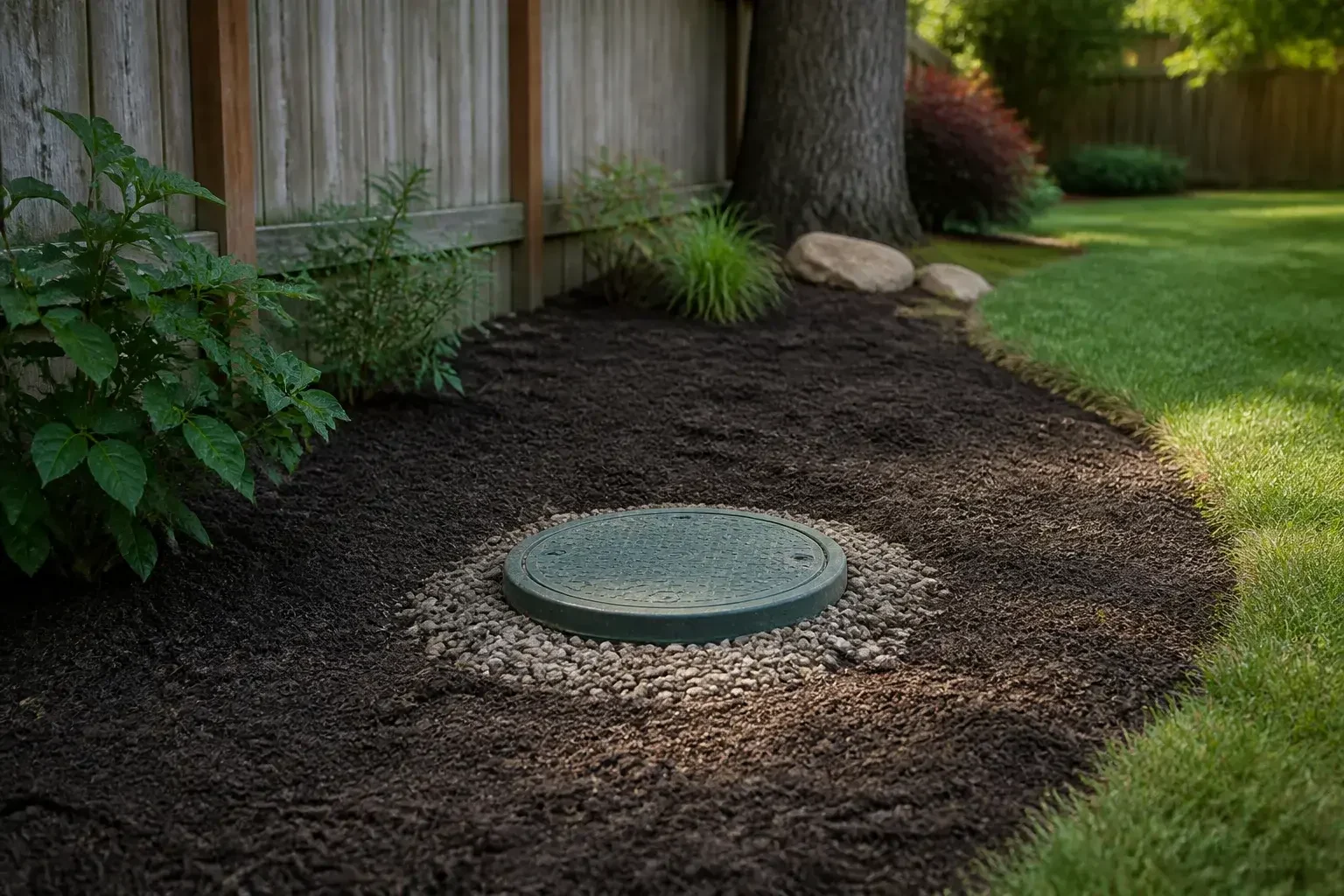
Sewer Lines in Boise, ID
Sewer line issues are addressed carefully to restore proper flow and reduce backups.
If more than one drain in your home is acting up at the same time, the problem may be deeper than a single clog. You might notice water backing up in a tub when the toilet is flushed, a faint sewage smell near drains, or gurgling sounds after sinks empty. Those are signs that the sewer line may be restricted, damaged, or no longer moving wastewater the way it should.
Ridgeline Plumbing helps homeowners in Boise deal with sewer line problems before they turn into bigger messes inside the house. We answer the phone, keep the work clean, and use straight pricing so you know what to expect before work begins. If your sewer line is showing symptoms, the next step is to have it checked and repaired in a way that fits the actual problem.
Warning signs
A sewer line issue usually announces itself in a few predictable ways. The earlier you catch them, the less disruption you may have inside the home.
- Slow fixtures: When multiple sinks, tubs, or showers drain slowly, the blockage may be farther down the line than a single trap.
- Backups in low drains: Water or waste showing up in a tub, shower, or floor drain often means wastewater is struggling to move out of the house.
- Gurgling sounds: Bubbling or gulping noises after a toilet flush or sink drain can mean air is trapped because flow is restricted.
- Persistent odors: Sewer smells around fixtures, in the yard, or near the basement can point to a cracked line or a line that is not carrying waste properly.
- Frequent clogs: If the same drains keep clogging, the issue may not be the fixtures at all.
If these symptoms show up together, it is time to stop treating each drain like a separate problem.
Common causes
Sewer line trouble can come from several different sources, and the right repair depends on what is actually happening underground or under the slab.
- Heavy buildup
Grease, soap residue, paper, and other debris can narrow the pipe until wastewater cannot move freely. - Damaged pipe sections
Cracks, breaks, and separated joints can let waste escape and can also let soil or debris enter the line. - Roots in the line
Roots are drawn to moisture and can work into small openings, then spread and block flow. - Low spots or offsets
If a section of pipe shifts or sags, waste can collect in that area and create repeat backups. - Old or worn piping
Over time, pipes can corrode, weaken, or lose alignment, especially when the system has been stressed for years.
A proper sewer line repair starts by identifying the cause instead of guessing at the symptom.
How we diagnose it
At Ridgeline Plumbing, we start by listening to what you have noticed in the house. One slow sink is different from a whole-home drainage issue, and those details help narrow the problem quickly.
What we look for
- Pattern of backups: We ask which fixtures are affected and whether the issue changes when more than one drain is used.
- Drain behavior: We check whether the problem shows up immediately, after heavy use, or only with certain fixtures.
- Visible symptoms: Odors, wet spots, and repeated clogs can point to the line rather than the fixture itself.
- System response: We evaluate how the home drains as a whole so we can tell whether the sewer line is blocked, damaged, or partially restricted.
That approach helps us recommend the right repair instead of throwing random fixes at a sewer line that needs focused attention.
Repair options
Sewer line work is not one-size-fits-all. The solution depends on whether the line is clogged, cracked, offset, or deteriorated.
- Clearing a blockage: If buildup is the main issue, removing the obstruction can restore proper flow.
- Repairing damaged sections: If part of the line has broken or separated, targeted repair may solve the problem without disturbing the entire system.
- Repiping the affected line: When the pipe is too worn or compromised to keep patching, replacing the problem section can be the more practical fix.
We explain what we found, what it means, and what the next step should accomplish. If the line can be repaired cleanly, we take that route. If the pipe has reached the point where repair no longer makes sense, we will say so plainly.
What to expect
Sewer line work can sound complicated, but the process should feel straightforward from start to finish.
- You call and describe the issue.
Tell us what drains are acting up, what you are seeing, and how long it has been happening. - We assess the line.
We look at the symptoms and determine whether the problem is localized or affecting the sewer line itself. - We explain the fix.
We walk through the likely cause and the repair path before work moves forward. - We complete the work cleanly.
Sewer line jobs can be messy, so we focus on keeping the work area tidy and minimizing disruption. - We confirm the result.
Once the repair is done, we make sure wastewater is moving the way it should.
Ridgeline Plumbing keeps the communication direct so you know where things stand at each step.
Homeowner tips
A few habits can help reduce strain on the sewer line and make problems easier to catch early.
- Watch repeated patterns: If the same drain keeps clogging after you clear it, the issue may be deeper in the line.
- Pay attention to multiple fixtures: Two or more slow drains at once usually matter more than one isolated sink issue.
- Notice odors quickly: Sewer smells are not normal and often mean the line needs attention.
- Avoid forcing the issue: Repeatedly plunging or pouring chemicals into every drain can mask a larger sewer line problem.
These steps will not fix a broken line, but they can help you catch trouble before it spreads.
Why homeowners call us
Sewer line repairs need clear answers, clean work, and a plumber who will tell you what is really going on. Ridgeline Plumbing has served the Treasure Valley since 2009, and we bring that local experience to sewer line problems in Boise and nearby communities like Meridian, Nampa, Eagle, and Kuna.
Customers call us when they want straight pricing, a clean work area, and a real conversation about the problem instead of vague guesses. Whether the issue is a stubborn blockage, a damaged section, or a line that needs repiping, we focus on the repair that makes sense for the home.
Common questions
How do I know it is the sewer line and not just one drain?
If more than one fixture is slow or backing up at the same time, the issue is often beyond a single drain.
Can a sewer line problem cause odors inside the house?
Yes, sewer odors can appear near fixtures or drains when wastewater is not moving properly or when the line is damaged.
Why does my toilet gurgle after I run water elsewhere?
Gurgling usually means air is being pulled through the plumbing because something is restricting normal flow.
Do sewer line issues always start with a full backup?
No, they often begin with smaller symptoms like slow drains, repeat clogs, or occasional odor before turning into a larger problem.
Can a sewer line be repaired without replacing everything?
Sometimes yes, depending on the location and type of damage. Targeted repair may be enough if the rest of the line is in workable shape.
What should I do if the same drains keep clogging?
Stop treating it as an isolated clog and have the sewer line evaluated so the root cause can be addressed.
How We Work
A Clear Plumbing Process
Every job starts with a conversation about what is going wrong and what you want fixed.
Take a Look
We assess the issue and identify the likely cause before suggesting next steps.
Explain the Options
You get a clear explanation of the work and what it addresses.
Complete the Repair
We finish the job carefully and leave the area clean.
FAQ
Common Plumbing Questions
If you have a question about your plumbing, reach out and we will help you think it through.
How do I know if I need drain cleaning?
Slow drains, recurring clogs, and gurgling fixtures are common signs. A look at the line can help confirm the cause.
When should a water heater be replaced?
If hot water is inconsistent, the unit is aging, or repairs keep adding up, replacement may make more sense.
What are signs of a hidden leak?
Unexpected water bills, damp spots, and stains can all point to a leak. It is best to address it early.
Is repiping needed for older homes?
If pipes are failing often or corrosion is becoming a pattern, repiping may be the better long-term fix.
What should I do if I think there is a sewer line issue?
Backups, multiple slow drains, and sewage smells can be warning signs. A sewer line inspection can help identify the problem.

Get started
Talk With a Local Plumber
Tell us what is going on, and we will help you figure out the right next step for repair, replacement, or cleanup.