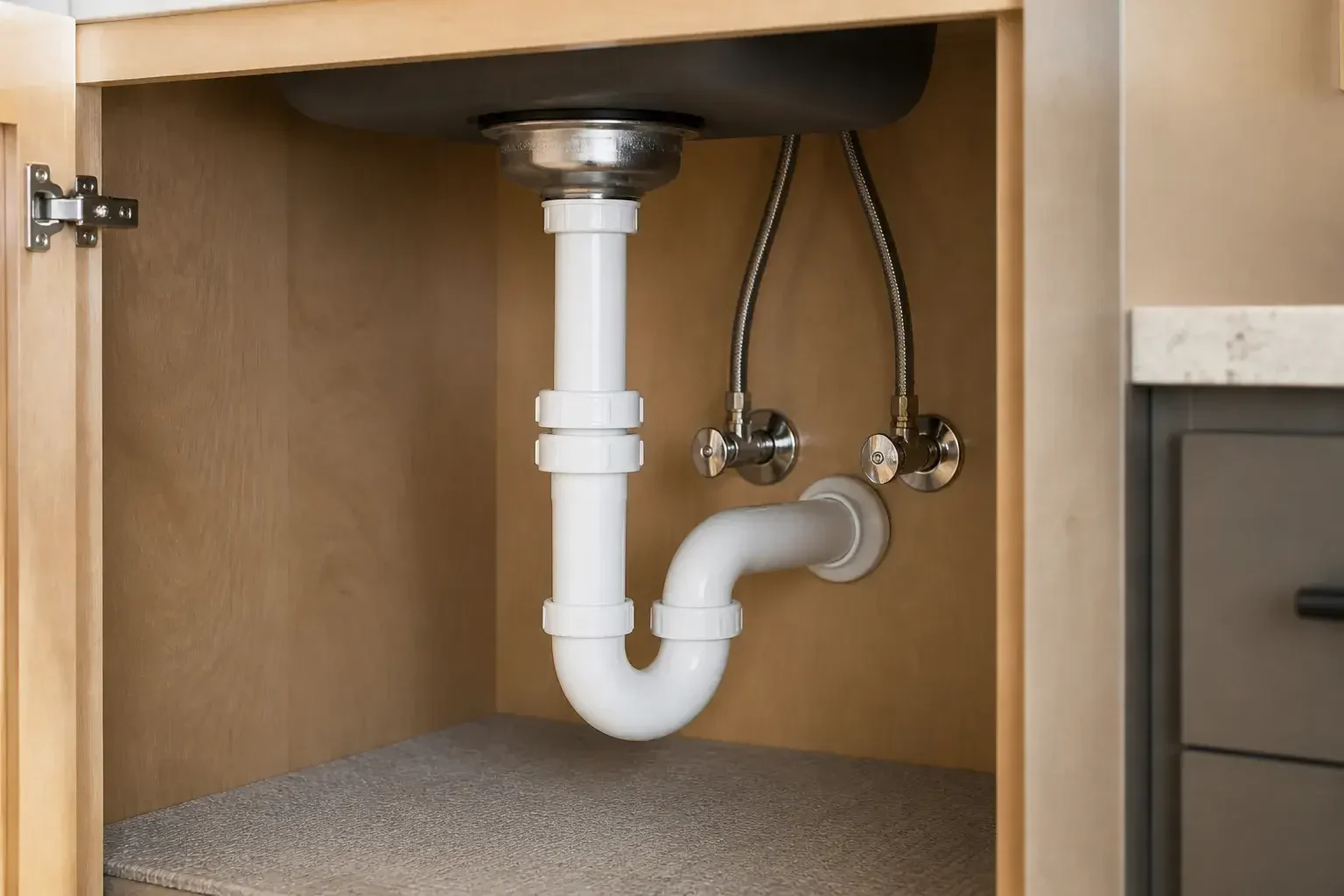
Leak Repair in Boise, ID
Leaks are tracked down and repaired to help stop water damage and wasted water.
A leak often starts small, but the signs can show up fast. You may notice a wet cabinet floor, a stain on drywall, a musty smell, or the sound of water when nothing is running. Sometimes the only clue is a meter that keeps moving or a spot on the ceiling that slowly gets worse.
When that happens, the next step is simple: have it looked at before the problem spreads. Ridgeline Plumbing helps homeowners track down leaks, explain what is going on, and make the repair straightforward. We answer the phone, show up ready to work, and keep the process clear from the first call to the finished fix.
Warning signs
Not every leak shows up as a puddle. Some start behind a wall, under a sink, or inside a ceiling cavity where the water travels before you ever see it. Catching the early signs can help limit damage and shorten the repair.
- Unexplained moisture: A damp spot near a base cabinet, appliance, or wall can point to a hidden leak.
- Water stains: Yellow or brown marks on ceilings and walls often mean water has been leaking for more than a few days.
- Musty odors: A persistent damp smell can mean water is trapped where it should not be.
- Sound of running water: If you hear water moving when fixtures are off, something may still be leaking.
- Rising bills: A sudden jump in water use without a clear reason can point to a leak somewhere in the system.
- Soft or swollen materials: Warped flooring, bubbling paint, or swollen cabinetry often means water has already soaked in.
If you notice more than one of these signs, it is worth taking seriously even if the water source is not obvious.
Common causes
Leaks can come from many places, and the fix depends on where the water is escaping. Some problems are easy to spot, while others take a little more tracing.
- Loose connections: Supply lines, shutoff valves, and fixture joints can work loose over time and begin dripping.
- Worn seals: Faucet cartridges, toilet seals, and appliance connections can wear down and let water through.
- Damaged piping: A pinhole, split joint, or cracked section of pipe can leak slowly behind a wall or under a floor.
- Corroded fittings: Metal parts can deteriorate and begin to seep, especially around older connections.
- High stress points: Areas that get frequent use, vibration, or movement are more likely to fail.
The key is not just finding the water, but finding the reason it is escaping. A patch may stop the drip for now, but if the underlying issue is still there, the leak can return.
How we find it
Leak repair starts with careful tracing. We look for the source, not just the symptom, so the repair addresses the actual problem.
Under sinks
We check supply lines, shutoffs, traps, and nearby fittings for moisture, corrosion, and active dripping. Many cabinet leaks start small and spread before the homeowner notices them.
At fixtures
Faucets, toilets, and other fixtures can leak at seals, connections, or internal components. We inspect the visible parts and the surrounding area to narrow it down.
In hidden areas
When water is showing up in a wall or ceiling, the source may be several feet away. We work carefully to identify where the leak starts and what needs to be repaired.
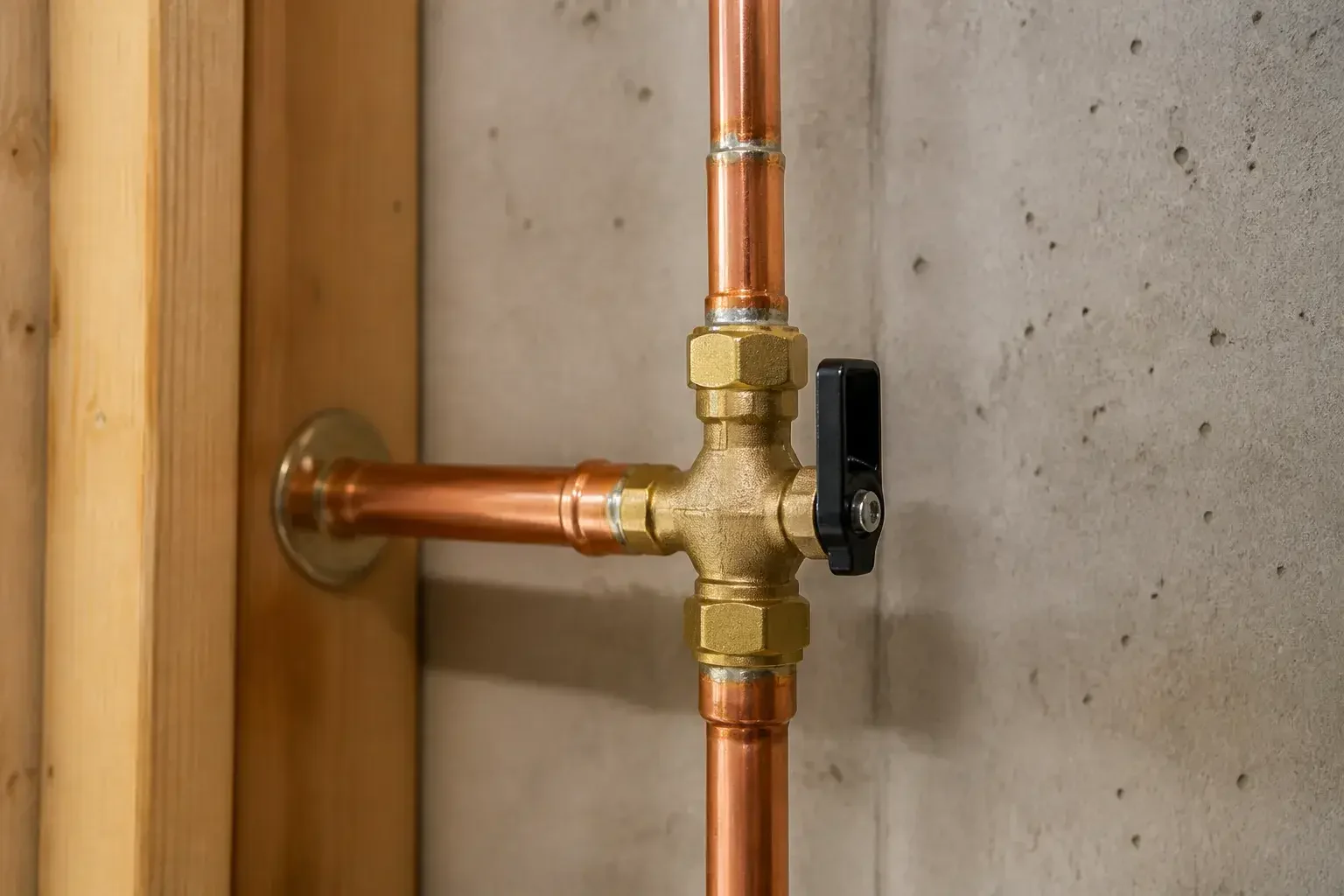
Around water lines
If the issue is in the supply line itself, we look for the damaged section and determine whether the line can be repaired cleanly or whether a broader fix is needed.
Ridgeline Plumbing keeps the process practical and direct. We explain what we found, what needs to happen next, and what the repair involves before anything moves forward.
Repair options
Not every leak calls for the same fix. Some are simple and localized. Others need a longer correction so the problem does not keep coming back.
- Tightening and resealing: A loose fitting or worn connection may need to be reset and sealed properly.
- Part replacement: A damaged valve, supply line, or fixture component can often be swapped out without affecting the rest of the system.
- Pipe repair: A section of pipe with a crack, split, or corrosion issue may need a focused repair.
- Connection correction: If a joint is failing, the connection may need to be rebuilt so it holds under normal use.
- Repiping support: When several leaks point to larger piping problems, repiping may be the more durable solution.
We do not treat every leak the same way. The goal is to fix what is failing and make sure the repair fits the condition of the plumbing you already have.
What to expect
A leak repair visit should feel organized, not confusing. We keep the steps simple so you know what is happening and why.
- Initial call: Tell us what you are seeing, hearing, or smelling, and we will help narrow down the likely source.
- On-site check: We inspect the affected area and trace the leak back to its source.
- Clear explanation: We explain what failed, what needs to be repaired, and what the next step should be.
- Repair work: We make the repair carefully and keep the work area clean while we work.
- Final check: We verify that the leak has stopped and that the repair is holding as expected.
If water has already reached nearby materials, we will also point out what may need attention beyond the plumbing itself so nothing is overlooked.
Why fast action matters
A small leak can become a much larger problem if it stays hidden. Water can spread into cabinets, framing, drywall, flooring, and insulation before anyone notices. That can turn a simple plumbing issue into a mess that takes more time to clean up.
Fast action also helps with water waste. Even a slow drip can add up over time, especially if the leak is behind a wall or under a sink where it runs unnoticed. Addressing it early can save you from more damage, more disruption, and a more involved repair later.
If you live in Boise and you are already seeing signs of moisture, do not wait for the next stain or the next puddle. A quick check now can keep the problem smaller.
Why homeowners call us
Ridgeline Plumbing has served the Treasure Valley since 2009, and we keep our work straightforward. Homeowners call us because they want straight pricing, clean work, and a plumber who actually picks up the phone.
Leaks are frustrating because they interrupt normal life in a hurry. You may be trying to protect a cabinet, stop a ceiling stain from spreading, or figure out why a pipe is dripping behind the wall. We take that seriously and handle the repair with as little disruption as possible.
We also know that leak problems are not always obvious at first glance. A small wet spot can hide a more serious source, and a visible drip can be only part of the story. That is why careful diagnosis matters before the repair begins.
Common questions
What should I do first if I see a leak?
Move anything valuable out of the area, keep the space dry if you can do so safely, and call to have it checked. The sooner the source is found, the less chance water has to spread.
Can a leak happen without visible dripping?
Yes. Some leaks stay hidden behind walls, under cabinets, or in ceiling spaces until the damage starts showing on the surface.
How do I know if the leak is from a pipe or a fixture?
The location of the water can be misleading, so the source needs to be traced carefully. Water often travels before it appears, especially in enclosed spaces.
Will you have to open the wall?
Not always. Some leaks can be reached through accessible plumbing areas. If access is needed to complete the repair, we will explain why before any work moves forward.
Can one small leak turn into a bigger plumbing problem?
Yes. A leak can be a sign of a loose connection, worn part, or damaged pipe section that may continue to worsen if left alone.
Do you repair leaks in more than one part of the home?
Yes. Leaks can show up under sinks, near fixtures, in walls, ceilings, or around supply lines, and we handle the repair based on where the problem is located.
Serving the Treasure Valley
Ridgeline Plumbing helps homeowners in Boise, Meridian, Nampa, Eagle, and Kuna with leak repair, drain cleaning, water heaters, repiping, and sewer lines. If you are dealing with water where it should not be, we are ready to help track it down and fix it cleanly.
When a leak starts, the smart move is to deal with it before it spreads. Call Ridgeline Plumbing and get the problem handled by a local plumber who keeps the process clear from start to finish.
How We Work
A Clear Plumbing Process
Every job starts with a conversation about what is going wrong and what you want fixed.
Take a Look
We assess the issue and identify the likely cause before suggesting next steps.
Explain the Options
You get a clear explanation of the work and what it addresses.
Complete the Repair
We finish the job carefully and leave the area clean.
FAQ
Common Plumbing Questions
If you have a question about your plumbing, reach out and we will help you think it through.
How do I know if I need drain cleaning?
Slow drains, recurring clogs, and gurgling fixtures are common signs. A look at the line can help confirm the cause.
When should a water heater be replaced?
If hot water is inconsistent, the unit is aging, or repairs keep adding up, replacement may make more sense.
What are signs of a hidden leak?
Unexpected water bills, damp spots, and stains can all point to a leak. It is best to address it early.
Is repiping needed for older homes?
If pipes are failing often or corrosion is becoming a pattern, repiping may be the better long-term fix.
What should I do if I think there is a sewer line issue?
Backups, multiple slow drains, and sewage smells can be warning signs. A sewer line inspection can help identify the problem.

Get started
Talk With a Local Plumber
Tell us what is going on, and we will help you figure out the right next step for repair, replacement, or cleanup.